
Rhinoceros Amazing Facts — The Armoured Giant Racing Against Extinction
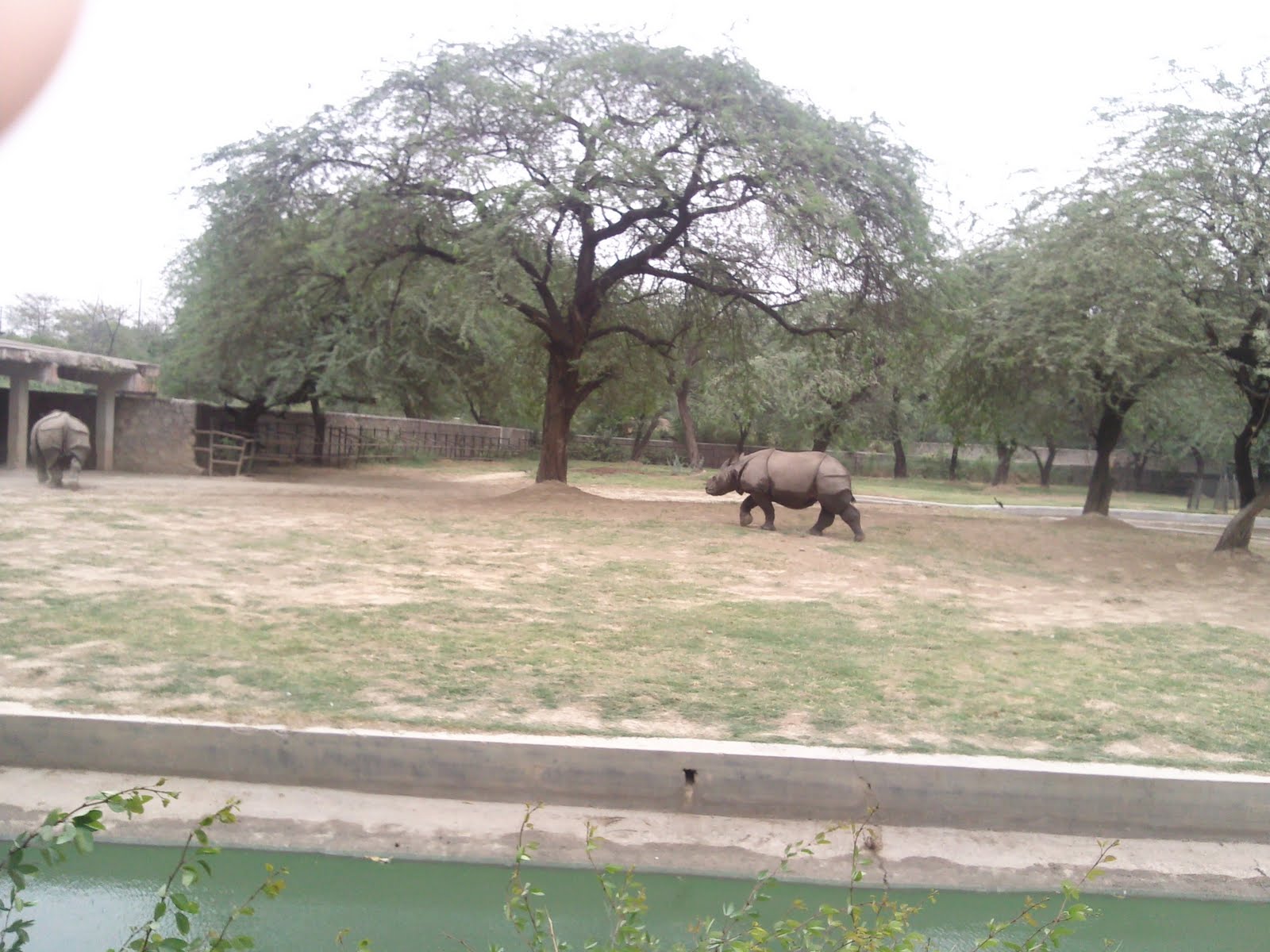 |
| going back to sleep |

The rhinoceros is one of the most ancient and magnificent animals on Earth — a living relic of the Pleistocene age that has walked our planet for over 50 million years. With its armoured skin, prehistoric appearance and thundering bulk, the rhino looks like a creature from another era. In many ways, it is. But beneath the armour and the legendary horn lies an animal of surprising complexity — with a gentler nature, keener senses and more nuanced social life than most people ever imagine. Here are the most amazing rhinoceros facts you have never known!
💅 The Horn That Is Not What You Think
The rhinoceros horn is the source of both its power and its tragedy — but it is profoundly misunderstood. Unlike the horns of cattle or antelope, which are made of bone covered in keratin, a rhino's horn contains no bone whatsoever. It is composed entirely of compacted keratin fibres — the exact same protein that makes up human fingernails, hair and the outer layer of skin. This means the horn has no more special medicinal properties than a handful of human fingernail clippings — a fact that has been scientifically demonstrated repeatedly, but has not yet ended the devastating illegal trade in rhino horn that is driving several species to extinction. If a rhino's horn is broken or removed, it does grow back — though slowly, at around 5 to 7 centimetres per year for a white rhino.
👃 Smell Over Everything
Rhinoceroses have notoriously poor eyesight — a rhino's vision is so limited that it has difficulty distinguishing a stationary human from a tree at a distance of more than 30 metres. However, what rhinos lack in vision they more than compensate for with their extraordinary sense of smell. A rhino's olfactory system is so refined that it can detect scents across distances of several kilometres and build up a detailed picture of its environment — who has passed recently, whether animals are in reproductive condition, whether potential rivals or predators are nearby — entirely through smell. Their large, mobile ears are equally sensitive, rotating independently to pinpoint the direction of sounds from a considerable distance. Experienced trackers in Africa say that approaching a rhino upwind is one of the most dangerous things a person can do — the rhino may not see you, but it will smell you long before you realise it is aware of your presence.
🌿 Ecosystem Gardeners
Like elephants and hippos, rhinoceroses are keystone species whose presence fundamentally shapes the ecosystems they inhabit. Black rhinos are browsers — feeding on trees and shrubs — and their feeding behaviour creates openings in dense vegetation that allow new plant species to establish. White rhinos are grazers whose close-cropping of grass creates short grassland areas that attract other grazing species. Rhinos mark their territories with dung middens — large communal piles of dung used for communication — and the nutrients in these middens fertilise the soil and create distinct patches of vegetation that are distinct from the surrounding landscape. Where rhinos have been lost from African ecosystems, the vegetation structure changes measurably, affecting dozens of other species that depend on the habitat features rhinos create.
🐦 The Oxpecker Partnership
Rhinoceroses have one of the most distinctive inter-species partnerships in the African savanna — with oxpecker birds. Oxpeckers spend much of their lives perched on the backs and sides of rhinos, feeding on the ticks, flies and parasitic insects that infest the rhino's thick skin folds. The rhinos receive effective parasite removal from areas they cannot reach themselves. The oxpeckers receive a reliable food supply. But the relationship goes further than simple grooming — oxpeckers are alert, nervous birds that take flight at any approaching danger, and their alarm calls serve as an early warning system that compensates for the rhino's limited vision. Rhinos with oxpecker companions have been shown to detect approaching humans significantly earlier than rhinos without them.
👶 Devoted Mothers
Female rhinoceroses are extraordinarily devoted mothers who invest enormously in each calf. After the longest pregnancy of any odd-toed ungulate — approximately 15 to 16 months — a female rhino gives birth to a single calf weighing between 40 and 65 kilograms. The calf stays with its mother for two to four years — one of the longest mother-offspring bonds of any large mammal outside the great apes. During this time the mother teaches the calf feeding behaviour, territorial boundaries, water source locations and social interactions. The bond between mother and calf is genuinely close — they maintain physical contact frequently, the mother is intensely protective, and the calf returns to its mother in times of danger long after it has grown to a substantial size.
🚨 Five Species — All in Crisis
There are five rhinoceros species remaining on Earth — the White Rhino and Black Rhino in Africa, and the Indian, Javan and Sumatran Rhinos in Asia. All five are in serious trouble. The Javan Rhino is Critically Endangered with fewer than 80 individuals surviving in a single national park in Indonesia. The Sumatran Rhino is also Critically Endangered with fewer than 80 animals remaining across fragmented populations in Malaysian and Indonesian forests. The Northern White Rhino subspecies is functionally extinct — only two females remain alive, and all hopes for the subspecies rest on an experimental reproductive technology programme. Poaching for the illegal horn trade remains the primary driver of rhino decline — driven by demand from Vietnam and China where horn is falsely believed to have medicinal properties.
Ancient, armoured and heartbreakingly close to disappearing forever, the rhinoceros is one of the most urgent conservation priorities on Earth. Every rhino that survives is a victory against the forces that are driving this magnificent animal out of existence. 🦏
All content written originally by Geeta Singh.
Sources: Information researched from Wikipedia (en.wikipedia.org), WWF Wildlife, Save the Rhino International, IUCN Red List, National Geographic


Comments
i like Rhinos :)
they're cute :P
Following you on Google Friend Connect now.
Defiant Princess
http://khanvibes.blogspot.com/